
Látí Tanna, “to turn the light on” (Yoruba).
Sexual Violence Produced the Categories “Woman” and “Man”: Reflections on Alison Phipps’ “Sexual Violence in Racial Capitalism”
Phipps draws this definition of systematic sexual violence from her read of its historical origins. The author points to Indo-Europeans’ non-birth-giving people transforming their food acquisition tools into weapons to force and coerce humans that could give birth into ceding their relatively equal social position for a subservient and dependent role. The intent of this coercion, which included systematic rape, was to change the society from one where the community was the collective steward of its land into one in which land was owned solely by non-birth-giving people. Europe’s transition from publicly held to privately owned land took place over centuries but was completed by the ending of the first Roman Empire around the fifth century AD. This period also signaled the ruling class creating a state to effectively manage its internal class conflicts as well as those with other nations…
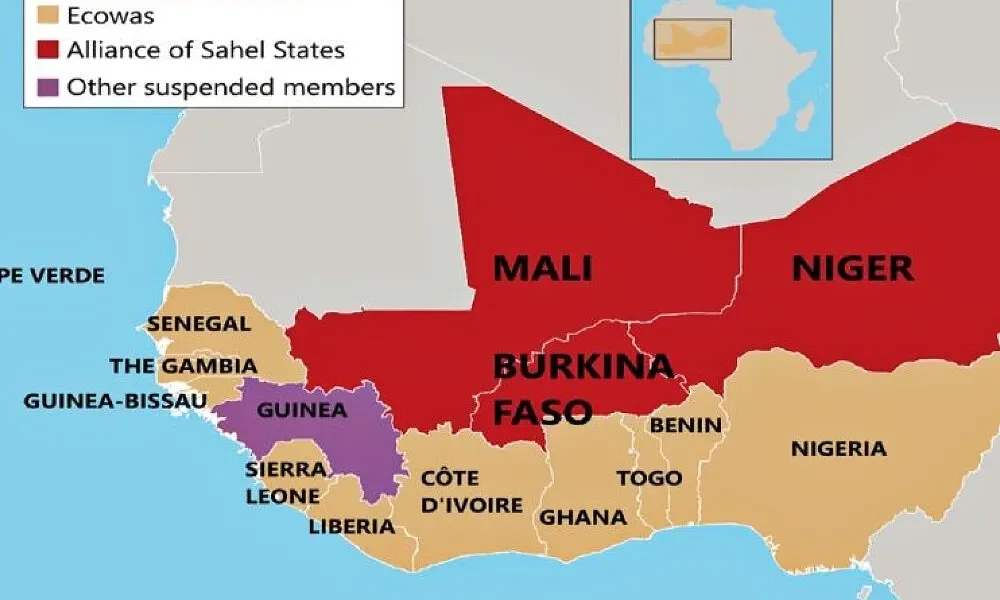
Diop, Sankara and the Revolutionary Lineage of the Confederation of Sahelian States
Further contributing to an under-recognition of Diop’s work is Dr John Henrik Clarke’s Introduction to the 1978 Third World Press (TWP) edition. Although Diop plainly names his interest in an African historically based theory of the state at both the book’s opening and near its close as he very intentionally focuses on Friedrich Engels’ work on the State, Dr. Clarke omits this discussion entirely. Instead, Dr. Clarke focuses only on his close friend’s analysis of the role of women in African history and culture. TWP’s selection of Dr. Clarke to write the Introduction, even though Clarke was outspoken in his view that Marxism was not a useful or needed tool for African liberation, is not that surprising considering Third World Press’s Founder Haki Madhubuti’s engagement with Marxism at this time. This was an unfortunate period in which Madhubuti was in a conflict with Amiri Baraka that began in 1974 when the Congress of African People became a Marxist Leninist Organization…
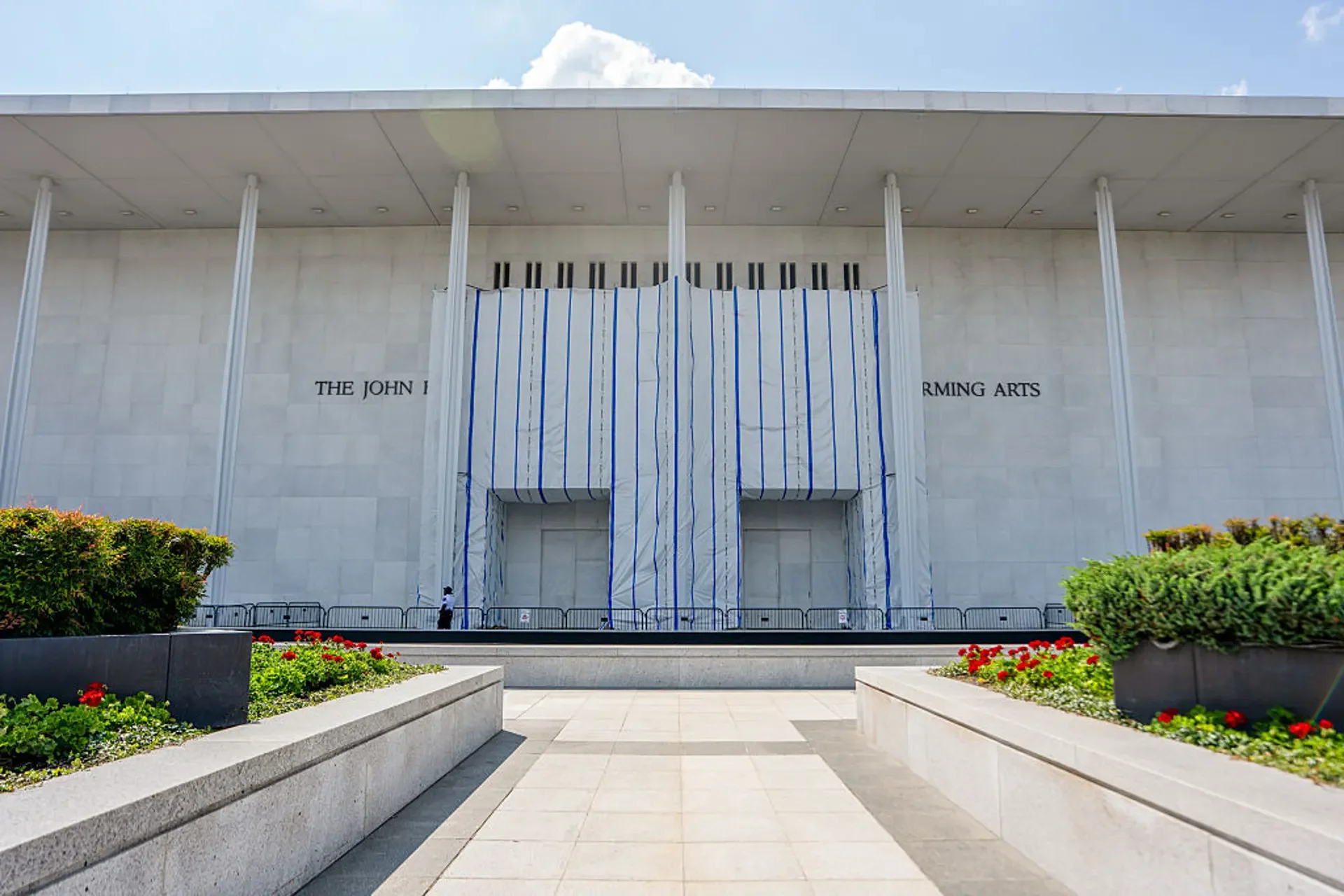
The Kennedy Center Is Being Torn Apart By Its Own Contradictions
According to Google, Eisenhower initiated what became the John F. Kennedy Memorial Center for the Performing Arts with the National Cultural Center Act in 1958 because, during his WWII travels, he heard how the world (likely Europe) saw the U.S. as focused on money and superficiality, while the Soviet Union could offer more advanced cultural offerings. So, this National Cultural Center would project U.S. cultural depth, but what really was going on at the time was the destruction of Black communities and music and gathering spaces all across the country, like Pittsburgh’s Hill District, like Detroit’s Black Bottom. Anyway, the National Cultural Center was an example of the home front of anti-communist cultural propaganda, while the CIA sponsored international cultural propaganda via the Congress of Cultural Freedom, spending millions promoting pro-American movies, journals, visual art exhibitions in Europe to try and stem communism’s growth in Europe.
Afrocentricity, “Culture” and Ujamaa without Socialism as Ideological Expressions of European Capital & Black Middle Class Material Life: A Review of Dr. Amos Wilson’s “Black on Black Violence”
As explained in both “Highbrow Lowbrow: The Emergence of Cultural Hierarchy in American” by Lawrence Levine, and “Culture and Society: 1780-1950 by Raymond Williams, “culture” has been used as a strategy to offer “proper” behavior and cultural ideology as a substitute for better housing, jobs, healthcare, etc. In other words, “culture”can stand in the stead of or be a means to circumvent the material deficits caused by capitalism. Dominant Afrocentricity shares many aspects of this message and, in my experience, the movement is fairly critical of direct action against the system as a kind of fool’s errand to try and change White people. As the Afrocentric message only generally indicts the system and offers a framework of nationalism that heavily features self-reliance, it allows advocates to maintain our social/class position because it does not bring us into direct conflict with a European settler capital class and systems of theirs like a youth prison. This is similarly true for the practice and framework of “artist.”
An African-Centered/Black Socialist Look at the European State as it Shows Itself Through the 501-C-3 System
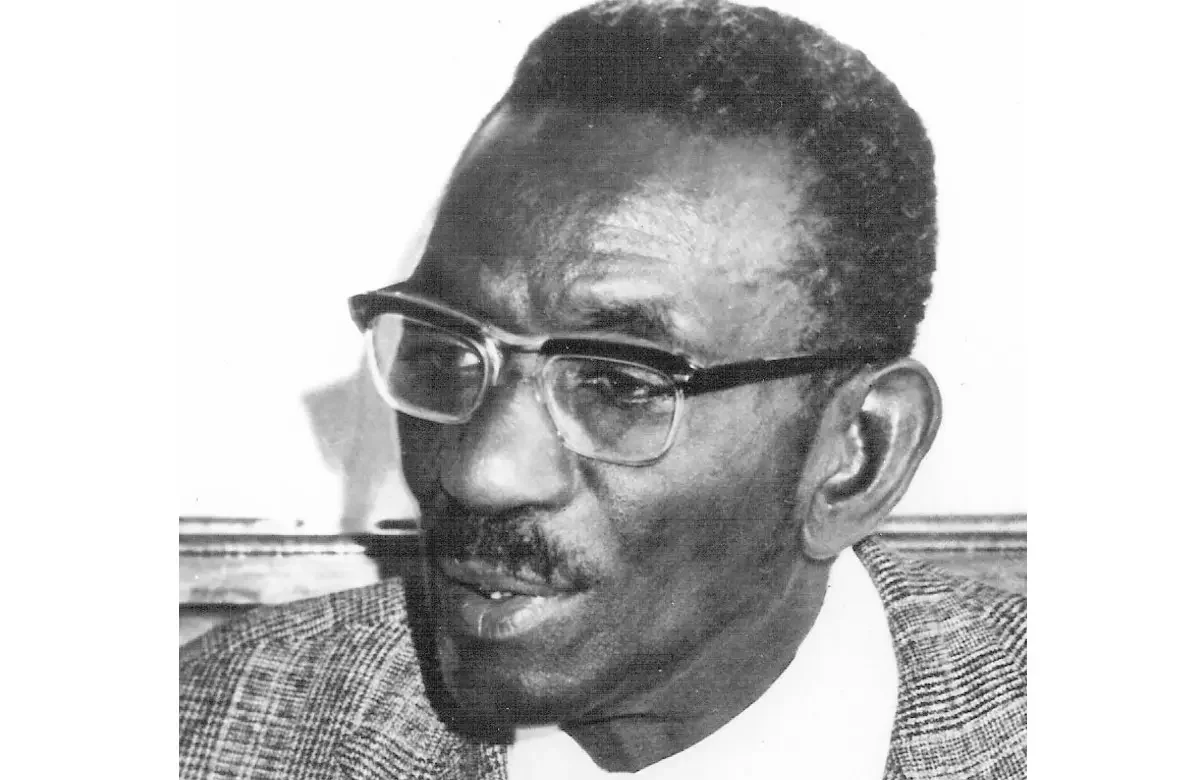
In “The Cultural Unity of Black Africa: The Domains of Matriarchy and Patriarchy in Classical Antiquity,” the great Senegalese historian and anthropologist, Cheikh Anta Diop (light to his spirit) offered an incisive, anticolonial, but largely overlooked critique of Karl Marx’s thought partner, Friedrich Engels, and his classic text on the origin of the (European) State “The Origin of the Family, Private Property and the State”. Diop explains in great detail how Engels failed to see Europe’s unique history in giving birth to the twin children private property and patriarchy, and thus universalized its xenophobic, patriarchal ruling class, society, and State as if Europe’s history was the world’s….
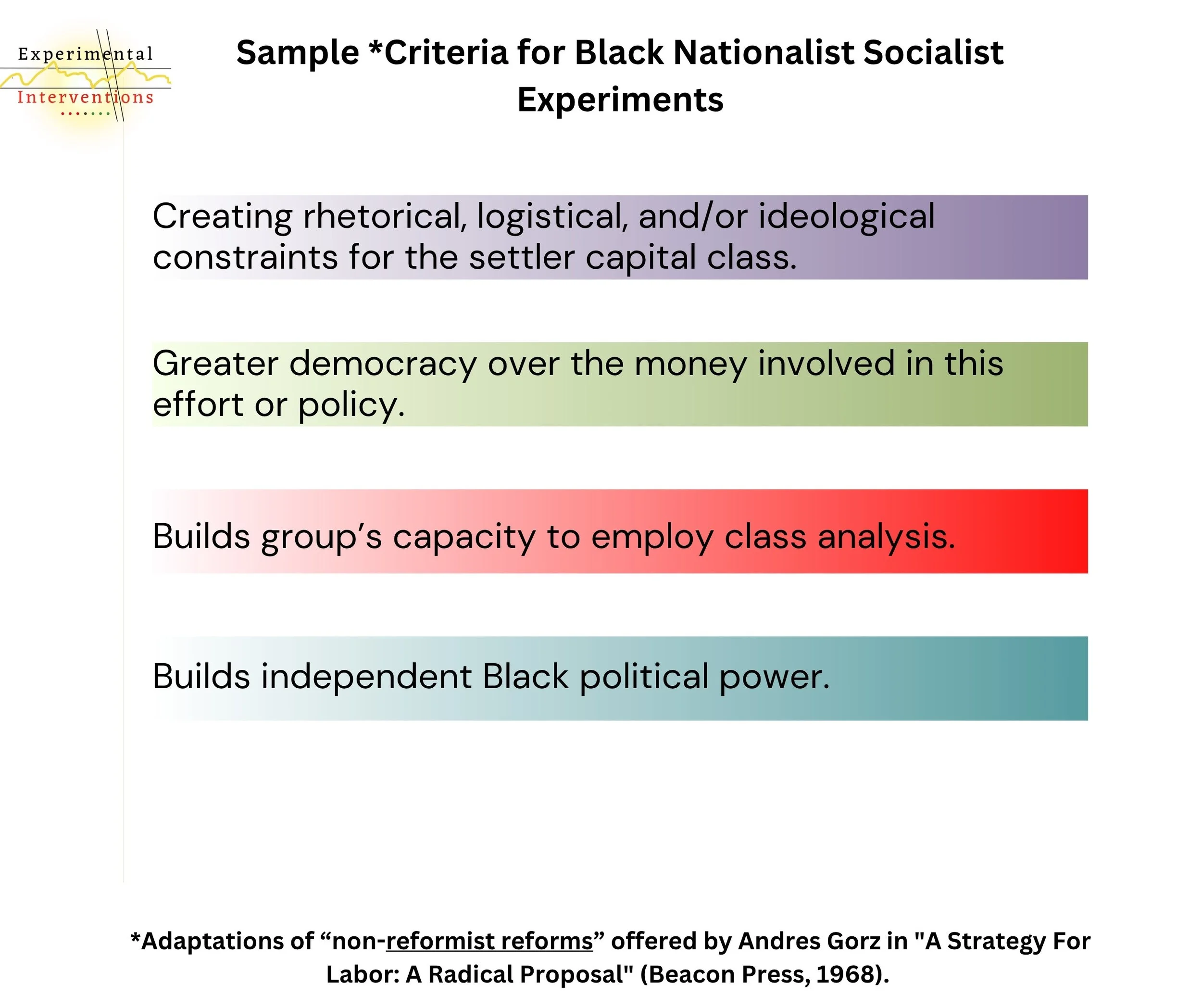
Creating Anti-Capitalist Experiments, Projects, Campaigns
For small organizations, or committees or teams within a larger formation, a full blown strategy is not always appropriate either for time or task reasons. Plus, with conditions changing as quickly as they do, full strategies can become outdated quickly. What is offered below is a method of using the form of experiments to create interventions that give a team a chance to build consensus on what “anti-capitalism,” “socialism,” “antiracism,” or “antimperialism” looks like and practice a relatively simple dialectic.

Why framing research around“small” and “large” arts organizations misses the class struggle that shapes the 501-C(3) arts sector
Continuing the theme of foundations as sites and expressions of class struggles, class struggles that under racial-capitalism will ultimately be determined by the settler-capital-class (SCC), in this post I explain why when budget size is used as a principal category to study arts organizations, as in this 2024 SMU Arts research “National Trends for Arts and Culture Organizations”, the potential to see the role of the SCC as a key actor in a city’s nonprofit arts sector is entirely missed. While seemingly straightforward and technical, the grouping of organizations by the categories of “large,” “medium,” and, “small” and “BIPOC” and “non-BIPOC” misses the fascinating story taking place: the behind the scene class struggles that are creating these outward differences of budget size and BIPOC/non-BIPOC.
why not name “socialism” as a goal or value?
“Anti-capitalism” is increasingly a value of social justice organizations, and socialism is surely a valid anti-capitalism. Naming socialism also gives the opportunity build unity about what it is we want and what steps might take us there. I understand there is a lot of hesitance or even refusal to name socialism.

OK, “Socialism” but why use a white man’s system like Marxism?
The title of this post comes from several conversations I have been a part of but it is hardly unique to me, it is a fairly common one. However, I think the answer is fairly straight forward. 1) Employing ideas of Karl Marx does not stop us from putting those ideas in relation to others or to looking at how they do and do not relate to various African/Black ways of beings.

Connecting Marimba Ani’s “Yurugu” to Domenico Losurdo’s “Class struggle”.
Last year, I read a book that’s really influenced my thinking on the phrase “class struggle”: Domenico Losurdo’s “Class Struggle: A Political and Philosophical History.” In this post, I am going to try to explain how I understand its core idea and method to add some more clarity and expansiveness to the term “class struggle.” Although it may seem foreign, socialist, or white, we often hear or use “class” in terms of “the Black middle class” or “the working class. So, its not really a foreign term.

the term “grant” is an expression of class struggle.
We need to reexamine this term “grant.” How is that the exchange of money for labor or a service, accompanied by a multi-point contract in 6 font, in the context of racial capitalism, is anything other than a sale of a commodity?